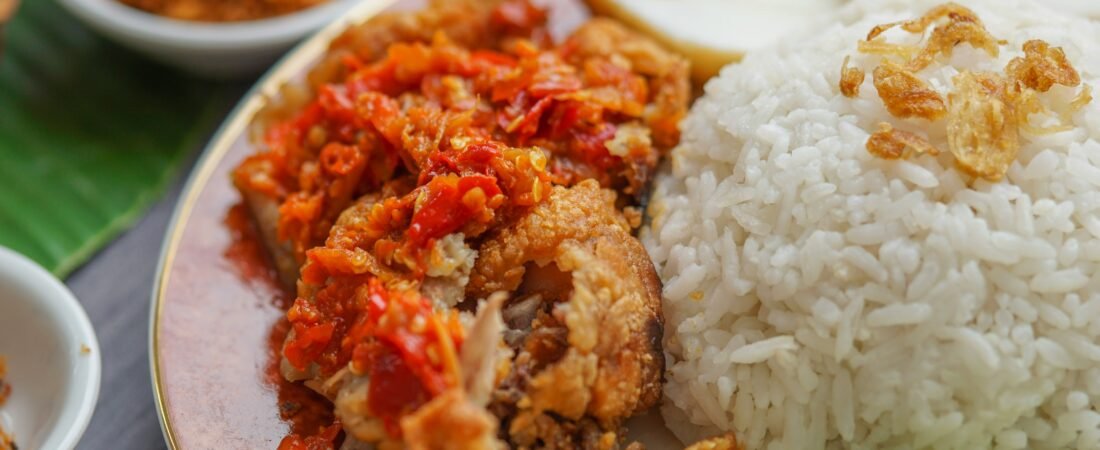
Plenty of older Singaporeans who barely touch dessert or sugary drinks still develop type 2 diabetes. If they’re not eating “sweet,” where is the sugar actually coming from? Often, it’s sitting right there on the plate, in the rice.
The Myth We Grew Up With
The myth goes something like this: rice and noodles are filling, they give you energy, and neither one is sweet, so they can’t really be doing much harm. Both have always been staples in Asian households, sitting at the centre of what most of us grew up calling a proper meal, whether it’s a bowl of rice with your dinner or a plate of noodles for breakfast or supper. Neither gets side-eyed the way dessert or bubble tea does. Nobody calls a plate of rice, or a bowl of noodles, “sinful.”
That reputation is exactly why they rarely get questioned. And the numbers suggest that gap matters: according to the Ministry of Health, based on the National Population Health Survey 2022, about 1 in 12 Singapore residents already has diabetes. If staples that most of us eat every single day, several times a day, never come under the same scrutiny as an occasional dessert, that’s a significant blind spot in how we think about our own risk.
The Mystery: Diabetes Without Eating “Sweet Stuff”
Here’s something many older Singaporeans only realise after it’s too late, usually right after a diagnosis. They’ve never been big on cake, soft drinks, or snacking between meals. If anything, they’re the opposite: big on eating “proper” meals, rice, meat, vegetables, nothing fried or sugary in sight. Yet a doctor tells them they have type 2 diabetes anyway. It doesn’t add up if you’re picturing diabetes as something caused purely by dessert and sugary drinks.
The missing piece is simpler than it sounds: sugar doesn’t only come from things that taste sweet.
Carbs Become Sugar Too
When you eat rice, your body breaks the starch down into glucose. Glucose is a type of sugar, and it’s the same sugar your body measures when it checks your blood sugar levels. Your body doesn’t treat “starchy” and “sweet” as different categories. Both end up as glucose in your bloodstream.
This means “I don’t eat sweet things” doesn’t automatically mean “I don’t eat much sugar.” If rice makes up a large part of most of your meals, you may be taking in a substantial glucose load every day, just without ever tasting anything sugary.
What Refining Does to Rice Specifically
Not all rice behaves the same way in your body. White rice goes through a milling process that strips away the bran and germ, the outer layers that carry most of the fibre. That fibre matters because it normally slows down how quickly starch turns into blood sugar after you eat.
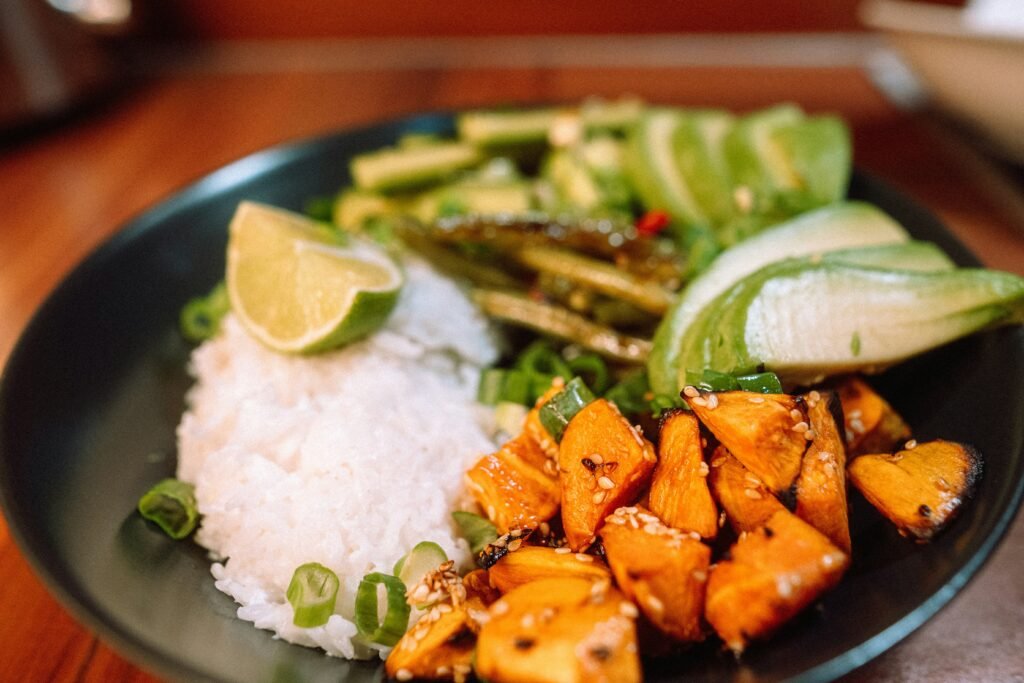
Remove the fibre, and the starch breaks down faster. This is part of why white rice has a higher glycaemic index than wholegrain versions like brown rice, meaning it tends to raise blood sugar more quickly.
Does It Actually Raise Diabetes Risk? What the Evidence Shows
This is where the research gets more interesting than a simple yes or no.
A 2012 meta-analysis from the Harvard School of Public Health, published in the BMJ, pooled data from four large studies across China, Japan, the US, and Australia. It found that each daily serving of white rice was associated with an 11% higher risk of type 2 diabetes overall, with a notably stronger association in Asian populations specifically.
But a large, more recent study using local Singapore data complicates the picture. The Singapore Chinese Health Study, which followed over 45,000 Singaporean Chinese adults, found no significant link between rice intake on its own and diabetes risk. What mattered more was what rice got swapped for. Replacing rice with noodles, red meat, or poultry was linked to higher diabetes risk. Replacing it with wholemeal or even white bread was linked to lower risk.
Taken together, these studies point to the same underlying idea from two different angles: rice itself isn’t automatically the villain, but it isn’t automatically harmless either. Total carbohydrate load, portion size, and what else is on the plate all matter as much as whether rice is “present.”
So What Does This Actually Tell Us?
“Proper,” home-cooked, and culturally familiar doesn’t mean a food can’t affect your blood sugar. A food doesn’t need to taste sweet, or come from a dessert menu, to contribute a meaningful glucose load. Rice is a completely normal, reasonable part of a meal. It just isn’t automatically exempt from the same blood sugar math that applies to anything else high in carbohydrates.
There’s an odd double standard at play here. A cup of bubble tea gets a bright Nutri-Grade sticker, a sugar-content warning, and plenty of side-eye from health-conscious friends. A large bowl of white rice, eaten three times a day, gets none of that, even though the glucose it eventually becomes doesn’t care whether it started out tasting sweet. The scrutiny goes to the drink you have occasionally, not the staple you eat every single day.
Practical Takeaways
- Watch your portion, not just your dessert. A large bowl of rice at every meal adds up in glucose load the same way multiple sugary drinks would.
- Pair rice with protein and vegetables. Eating rice alongside protein and fibre slows down how quickly it raises your blood sugar, compared to eating a large portion of rice on its own.
- Wholegrain swaps are an option, not an obligation. Brown rice or a mix of brown and white rice has more fibre, but you don’t need to eliminate white rice entirely to manage risk.
- “Not sweet” isn’t the same as “low sugar impact.” Carbohydrate-heavy meals in general deserve the same attention as obviously sugary ones.
The Bottom Line
Diabetes risk isn’t just about avoiding cake and soft drinks. Carbohydrates, including the white rice on a completely ordinary plate of home-cooked food, break down into the same sugar your body is trying to manage. That doesn’t mean rice needs to disappear from your meals. It means portion size and what you eat alongside it matter just as much as whatever “sweet” thing you’re already watching out for. If you’re curious how this connects to your broader diet, our guide to the nutrients your body actually needs breaks down carbohydrates alongside everything else on your plate, and our piece on fruit juice covers a similar hidden-sugar surprise from a completely different direction.
Sources
- Ministry of Health: Speech at World Diabetes Day 2023, citing National Population Health Survey 2022
- Hu et al., White Rice Consumption and Risk of Type 2 Diabetes: Meta-Analysis and Systematic Review, BMJ (2012)
- Seah et al., Rice Intake and Risk of Type 2 Diabetes: The Singapore Chinese Health Study, European Journal of Nutrition (2019)