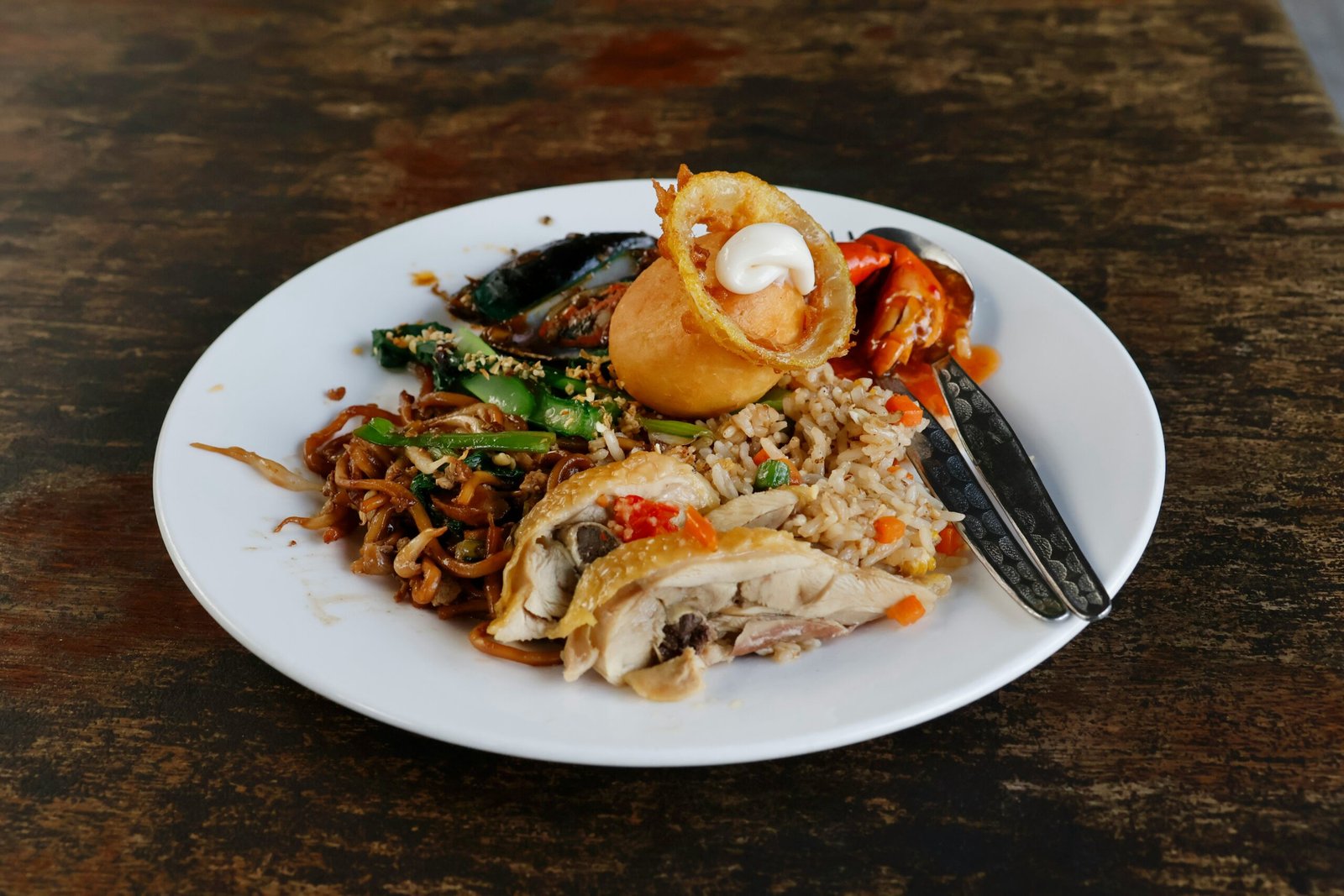
Diet is one of the most powerful tools we have against diabetes, more powerful than most people realise. Here’s what the research actually shows works, and how that translates to a Singaporean plate.
The Stakes
Diabetes is common in Singapore, and it’s often silent. The National Population Health Survey 2024 found that 9.1% of Singapore residents aged 18 to 74, roughly 1 in 11, already have diabetes. Early type 2 diabetes also often causes few or no symptoms, so many people don’t realise anything is wrong until their blood sugar is already high. That combination, common and silent, is exactly why diet matters so much.
There’s a harder truth underneath this too: type 2 diabetes is a long-term condition. It can go into remission for some people, mainly through weight loss. Remission is not the same as a cure, though. NHS Scotland’s Right Decisions service says remission does not mean the diabetes has gone away for good, because blood sugar can rise again. That’s why prevention carries so much weight. It is one of the few points in this whole process where the outcome is still largely within your control, before a diagnosis changes what “managing your health” even means.
How Food Actually Affects Blood Sugar
When you eat, carbohydrates break down into glucose, which enters your bloodstream. Normally, insulin moves that glucose into your cells for energy. In type 2 diabetes, your body either doesn’t produce enough insulin or doesn’t respond to it properly, so glucose builds up in your blood instead.
This is why diet has such a direct effect. Every meal is, in a real sense, a glucose event. Meals heavy in refined carbohydrates, white rice, white bread, sugary drinks, cause faster, larger glucose spikes. Meals with more fibre, protein, and healthy fat slow that process down, giving your body more time to manage the glucose coming in.
The evidence for lifestyle change isn’t theoretical. A landmark US clinical trial, the Diabetes Prevention Program, found that people at high risk of diabetes who made structured lifestyle changes, aiming for modest weight loss and regular activity, reduced their risk of developing diabetes by 58% compared to those who didn’t. That’s a far larger effect than the diabetes medication tested in the same study, which reduced risk by 31%.
The Hawker Food Reality
Singapore’s food culture makes this harder than it sounds. Rice and noodles anchor most meals, and sugary drinks are everywhere, from kopi to bubble tea to the drink stall at every hawker centre. A meal built around a large plate of white rice or noodles, with vegetables and protein as an afterthought, is a common default, not an occasional indulgence.
This doesn’t mean hawker food is off-limits. It means the default version of many hawker meals is carbohydrate-heavy by construction, and small adjustments matter more here than in a home-cooked meal where you control every ingredient.
What Actually Helps: The Plate Method
The Health Promotion Board’s My Healthy Plate framework gives a simple, visual way to apply this at any hawker stall or home meal: half your plate as vegetables, a quarter as wholegrains, and a quarter as protein.
Applied to real hawker meals, this looks like:
- Noodle soups: ask for extra vegetables, add a protein like egg, tofu, or fish, and choose an unsweetened drink like kopi-o kosong or plain water.
- Rice dishes: request less rice, or split a rice portion with more vegetables, and favour steamed, grilled, or stir-fried over deep-fried.
- One treat at a time: if the main dish is already carb-heavy, treat a sweet drink and dessert as an either/or choice, not both in the same meal.
The Health Promotion Board’s Healthier Dining Programme has also worked with hawker centres and coffee shops directly, so some stalls now display “lower in calories” or “wholegrain option” labels, worth looking out for if your usual hawker centre participates.
Screening Matters as Much as Diet
Diet alone isn’t the whole picture, because diabetes is frequently symptomless in its early stages. That’s exactly why screening matters as much as what’s on your plate.
Under HPB’s Screen for Life programme, Singaporeans aged 40 and above are recommended to screen for diabetes and other chronic conditions once every three years, at heavily subsidised rates, sometimes as low as $0 to $5 depending on eligibility. Singaporeans aged 18 to 39 who are assessed as higher risk through HPB’s online Diabetes Risk Assessment are also eligible for subsidised screening. A simple blood glucose or HbA1c test can catch pre-diabetes long before symptoms would ever prompt a doctor’s visit, and pre-diabetes is frequently reversible with the same dietary and lifestyle changes discussed above.
Practical Takeaways
- Use the plate method as your default, half vegetables, a quarter wholegrains, a quarter protein, at hawker meals and at home.
- Make unsweetened drinks the norm, not the exception. This is one of the simplest, highest-impact changes available.
- Treat rice and noodle portions as adjustable, not fixed, most stalls will happily give less rice or more vegetables on request.
- Don’t wait for symptoms to get screened. If you’re 40 or older, Screen for Life makes this cheap and straightforward.
- Small, consistent changes beat occasional strict ones. The 58% risk reduction in the Diabetes Prevention Program came from sustained, modest changes, not extreme dieting.
The Bottom Line
Diet is genuinely one of the most powerful tools against diabetes, backed by real clinical evidence, not just conventional wisdom. In a hawker-food culture like Singapore’s, that mostly comes down to small, repeatable adjustments: more vegetables, less refined carbohydrate by default, and unsweetened drinks as the norm rather than the exception. Pair that with regular screening rather than waiting for symptoms, and you’ve covered both sides of prevention: what you can control day to day, and catching what you can’t see on your own. For more on how carbohydrates specifically affect your blood sugar, see our piece on white rice and diabetes risk, and for the full picture on nutrients generally, see our guide to the nutrients your body needs.
Sources
- The Diabetes Prevention Program (DPP): Description of Lifestyle Intervention, Diabetes Care (2002)
- Ministry of Health / Health Promotion Board: National Population Health Survey 2024, infographic
- Scripps Health: What Are the Early Signs of Type 2 Diabetes?
- Health Promotion Board: My Healthy Plate
- NHS Scotland Right Decisions: What Is Remission and Why Does It Matter?
- HealthHub: Screen for Life and Diabetes Mellitus