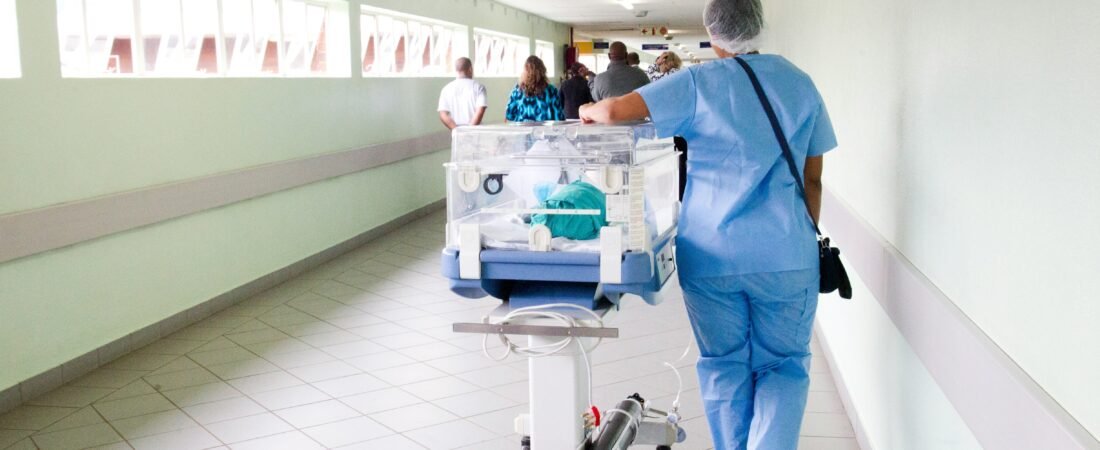
Diabetic ketoacidosis (DKA) is a diabetes emergency that can build up within a day. If you or someone with diabetes has the warning signs below, get help first and read the rest afterwards.
This guide covers DKA treatment: what to do first, what the hospital does, how long it takes, and what to ask before you go home.
If You Suspect DKA, Do This First
Get emergency care now if any of these apply:[1]
- Your blood sugar is above 16.7 mmol/L on more than one test. Many overseas meters and websites show this as 300 mg/dL, which is the same level.
- You have ketones in your urine and cannot reach your healthcare professional.
- You have many of the warning signs listed in the next section.
Call 995, or have someone take you to the nearest emergency department.[2][3] In Singapore, 995 is the SCDF ambulance line.[2] If the person with diabetes is confused or very unwell, someone else should make the call for them.
Contact your healthcare professional right away if:[1]
- You are vomiting and cannot keep food or liquid down.
- Your blood sugar is above your target range and does not come down after you treat it at home.
- Your urine ketones are moderate or high.
While you wait for help or advice:
- Do not wait for it to pass. Get help if you cannot keep fluids down, keep vomiting, have high blood ketones that will not come down, or have breathlessness or stomach pain.[4]
- If you use insulin, keep taking it. Never stop insulin under any circumstances.[5]
- Bring your medicines, or a list. Tell the staff you have diabetes and which insulin or tablets you take. If one of them is an SGLT2 inhibitor, say so. The section below explains why.
The Warning Signs of DKA
DKA symptoms often come on quickly, sometimes within 24 hours. For some people, DKA is the first sign they have diabetes.[1] The signs include:[1]
- Being very thirsty
- Urinating often
- Feeling sick and vomiting
- Belly pain
- Feeling weak or tired
- Being short of breath
- Breath that smells fruity
- Feeling confused
A home test kit can also show high blood sugar and high ketones in the urine.[1]
What Is DKA, and Who Can Get It?
DKA happens when the body does not have enough insulin. Insulin is the hormone that lets glucose, the sugar in your blood, move into your cells for energy. Without it, your body burns fat for energy instead. Burning fat makes chemicals called ketones. When ketones build up, they make your blood too acidic. Untreated, this can lead to death.[1] For more on how this develops and how to test for ketones, see our guide to ketones and diabetes. If you are new to the topic, start with what diabetes is.
People with type 1 diabetes have the highest risk, especially if they often miss insulin doses. DKA can also happen with type 2 diabetes.[1]
Several things can trigger it:[1]
- An infection or other illness, such as pneumonia (a lung infection) or a urinary tract infection
- Missed insulin treatments
- Physical or emotional stress
- A heart attack or stroke
- Pregnancy
- Alcohol or drug misuse
- Some medicines, including steroid medicines (corticosteroids) and certain water pills (diuretics)
DKA Treatment in Hospital: What Actually Happens
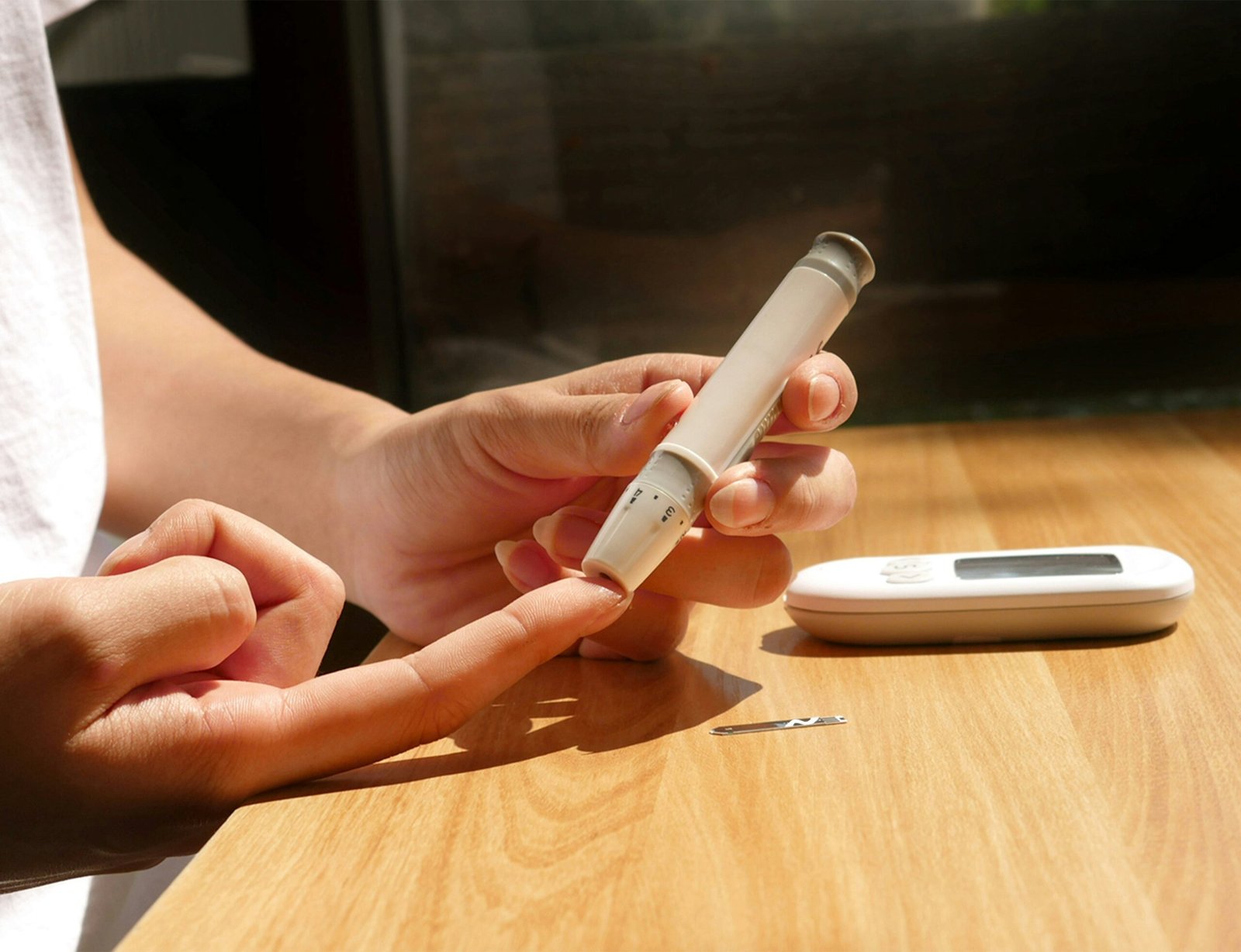
People with DKA might be treated in the emergency room or admitted to hospital.[7] Treatment has five steps.
1. Tests. A physical exam and blood tests help diagnose DKA. Other tests look for what triggered it. These can include blood tests for electrolytes, a urine test, a chest X-ray, and an electrocardiogram (ECG), which records the electrical activity of the heart.[7]
2. Fluids. Fluids replace what you have lost by urinating, and they lower your blood sugar. Most often they go in through a vein, which is what “IV fluids” means. Fluids also help clear ketones from your body through your urine.[7][8]
3. Electrolytes. Electrolytes are minerals in your blood, such as sodium and potassium. Too little insulin can lower several of them. You receive them through a vein to keep your heart, muscles, and nerve cells working well.[7]
Potassium gets particular attention. The team checks your potassium level first. Insulin is usually started about an hour after fluids begin, which gives time for that check. If your potassium is normal or low, potassium replacement starts with the first fluids.[9]
4. Insulin. Insulin reverses the process that makes ketones. It is most often given through a vein.[7] Your blood sugar can fall quickly as treatment works, so the team checks it often.[9] They also monitor your ketones, electrolytes, blood acidity, and glucose. Your long-acting insulin, the kind that works in the background all day, usually continues alongside the insulin drip.[10]
5. Treating the trigger. The team also looks for what caused the DKA. For example, an infection may be treated with antibiotics.[8]
Doctors correct DKA carefully, not as fast as possible. Correcting too quickly can, rarely, cause serious problems such as swelling of the brain.[11] One clinical reference for doctors advises intensive-care-level monitoring, meaning very close and frequent checks, during the first 24 to 48 hours.[9] How this works in practice depends on the hospital and how severe the DKA is.
How Long Does DKA Treatment Take?
With prompt treatment, recovery typically happens within 24 hours. Doctors count you as recovered when your blood sugar is below 200 mg/dL (11.1 mmol/L) and your blood is no longer too acidic. Depending on how severe the DKA is, treatment can take several days.[8]
Going home takes a little longer. You may go back to your regular insulin when your blood sugar falls to about 200 mg/dL and your blood is no longer too acidic.[7] Patients are usually not sent home until they can manage on their usual insulin routine without the ketones coming back.[9]
If You Take an SGLT2 Inhibitor, Tell the Team
SGLT2 inhibitors are a group of diabetes medicines. They can cause DKA, sometimes even when blood sugar is not high. Singapore’s Health Sciences Authority (HSA) advises doctors to test blood ketones in patients on these medicines who show signs of metabolic acidosis, which means too much acid in the blood. This applies even when blood glucose is not high. HSA also advises stopping the medicine if ketoacidosis is suspected.[12]
That advice only helps if the team knows what you take. Say it early, and bring the packaging or a list. If you are not sure whether your medicine is an SGLT2 inhibitor, ask your pharmacist. Our ketones guide explains the SGLT2 inhibitor risk in more detail.
Before You Go Home: Questions to Ask
UK hospital leaflets say you can ask for a diabetes team review while you are in hospital. They also describe a discharge checklist that the diabetes team completes with you, and one leaflet lists arranging follow-up as an item.[5][6] Singapore hospitals may do things differently. These questions are worth asking anywhere:
- What caused this episode?
- Do I need to change my insulin or tablets? Should I stop or continue any medicine, including an SGLT2 inhibitor?
- When should I test my ketones at home? What reading means I should call my doctor, and what means I should go to hospital?
- Can I have a written sick-day plan, and ketone strips or a meter?
- When is my follow-up appointment, and with whom?
- Who do I call if I start to feel unwell again?
Frequently Asked Questions
Can I wait and treat DKA at home?
No. If you meet the emergency signs above, get emergency care.[1] In some cases, a healthcare provider decides that treatment at home is safe and tells you how much insulin or medicine to take. You then check your blood sugar often, and your ketone levels should go down, not up.[8] That decision belongs to your provider, not to you.
Should I drive myself to the hospital?
The advice is to call emergency services or have someone take you to the nearest emergency room.[3]
Can DKA be the first sign of diabetes?
Yes. For some people, DKA is the first sign of diabetes.[1] Our piece on the silent signs of diabetes explains why diabetes can go unnoticed.
The Bottom Line
DKA is serious, and it is treatable. Treatment comes down to fluids, electrolytes, and insulin, given carefully in hospital while the team looks for the cause. What you control is speed: recognise the warning signs, call 995, and tell the team everything you take. Afterwards, ask the questions above so the next episode is less likely.
Sources
- Mayo Clinic: Diabetic Ketoacidosis, Symptoms and Causes
- SCDF: Emergency Medical Services
- Healthline: Diabetic Ketoacidosis in Type 2 Diabetes
- NHS Fife: Diabetes Emergencies, DKA and How to Avoid It
- University Hospital Southampton NHS Foundation Trust: Diabetic Ketoacidosis (DKA) in Adults, patient information
- University Hospitals Coventry and Warwickshire NHS Trust: Diabetic Ketoacidosis in Adults, patient information
- Mayo Clinic: Diabetic Ketoacidosis, Diagnosis and Treatment
- Cleveland Clinic: Diabetic Ketoacidosis (DKA)
- Medscape: Diabetic Ketoacidosis (DKA) Treatment and Management
- Diabetic Ketoacidosis: Update on Management, Diabetes Medicine CME (ScienceDirect)
- Treatment Challenges and Controversies in the Management of Critically Ill Diabetic Ketoacidosis (DKA) Patients in Intensive Care Units (PMC)
- Health Sciences Authority Singapore: SGLT2 Inhibitors and Risk of Serious Diabetic Ketoacidosis