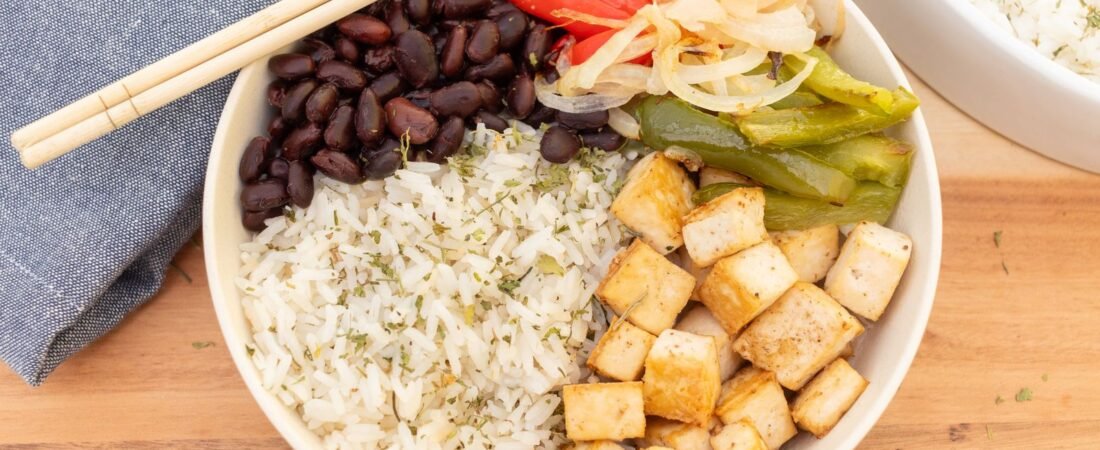
Many people assume that going vegetarian is automatically healthy. It can be, but a diet that looks healthy can still have gaps. This guide explains what research shows and which nutrients to plan for.
Is a vegetarian diet healthy? Many people assume it is by default. It is full of vegetables and has no meat, so what could be wrong? That is an assumption, not a fact. A meat-free diet can look healthy and still fall short on nutrients your body needs. HealthHub, the Health Promotion Board’s website, says that a vegetarian diet can fall short on protein, iron, zinc, calcium, vitamin B12, and omega-3 fats if it is not well planned.[1]
This guide answers the question in plain words. It covers what counts as vegetarian, what the research shows, what each of those nutrients does and why you could miss it, and how to plan your plate in Singapore.
What Counts as Vegetarian?
There is no single vegetarian diet. HealthHub notes that people practise vegetarianism in different ways.[2] The main types are:[2][3]
- Vegan: eats only plant foods. No meat, fish, eggs, or dairy.
- Lacto-ovo vegetarian: eats plant foods, plus eggs and dairy.
- Lacto-vegetarian: eats plant foods and dairy, but no eggs.
- Ovo-vegetarian: eats plant foods and eggs, but no dairy.
HealthHub also lists pescatarians, who eat fish as well.[3] This guide is about diets without meat and fish.
The difference matters for your health. The fewer animal foods you eat, the more you need to plan. A vegan diet has no eggs or dairy, so it has the most to make up. HealthHub’s advice on vitamin B12 is aimed at people who eat no eggs or dairy.[1] In this guide, “vegetarian” covers every type above, and we say so when a point applies mainly to vegans. We explain the differences in more detail in Vegetarian vs Vegan: What’s the Difference?
Is a Vegetarian Diet Healthy? What the Research Says
There are good reasons for the belief. A vegetarian diet tends to be low in saturated fat and higher in fibre and vitamin C. Plant foods are also generally lower in calories than meat and poultry for a similar serving size.[1]
Researchers have looked at whether this leads to better health. A 2025 review by the US Academy of Nutrition and Dietetics found:[4]
- Heart disease: moderate-quality evidence that vegetarian and vegan eating patterns go with a lower chance of developing heart disease.
- Type 2 diabetes: moderate-quality evidence that in adults who already have type 2 diabetes, these patterns are likely to lower HbA1c (a measure of average blood sugar over about three months) and body mass index (BMI), compared with diets that include meat.
- Cancer: only low or very low quality evidence of a lower risk.
- A caution: most of the evidence on the general population is observational, meaning researchers watched what people ate and what happened to them. This can show a link, but it does not prove that the diet was the cause.
The World Cancer Research Fund says there is “no direct evidence” that following a vegetarian or vegan diet reduces the risk of cancer. It does note that well-planned vegetarian diets fit its advice to eat plenty of wholegrains, pulses (beans and lentils), fruit, and vegetables, and that high-fibre foods lower the risk of bowel cancer.[5]
So the benefit comes from a well-planned diet, not from leaving out meat alone.
The Catch: What a Meat-Free Diet Can Miss
Meat, fish, eggs, and dairy are rich sources of several nutrients. When you leave them out, you need to replace those nutrients on purpose. For each nutrient below, you will see what it does, what can happen if you fall short, why vegetarians can fall short, and where to find it in plant foods.
Protein
What it does: protein helps the body build and repair body tissues and regulate bodily functions. It helps keep your muscles, bones, organs, skin, and nails healthy.[6] It is also important for growth and development in children, teens, and pregnant women.[7]
If you fall short: because the body uses protein to repair cells and make new ones, a long-term shortfall can affect the tissues it looks after.[6][7]
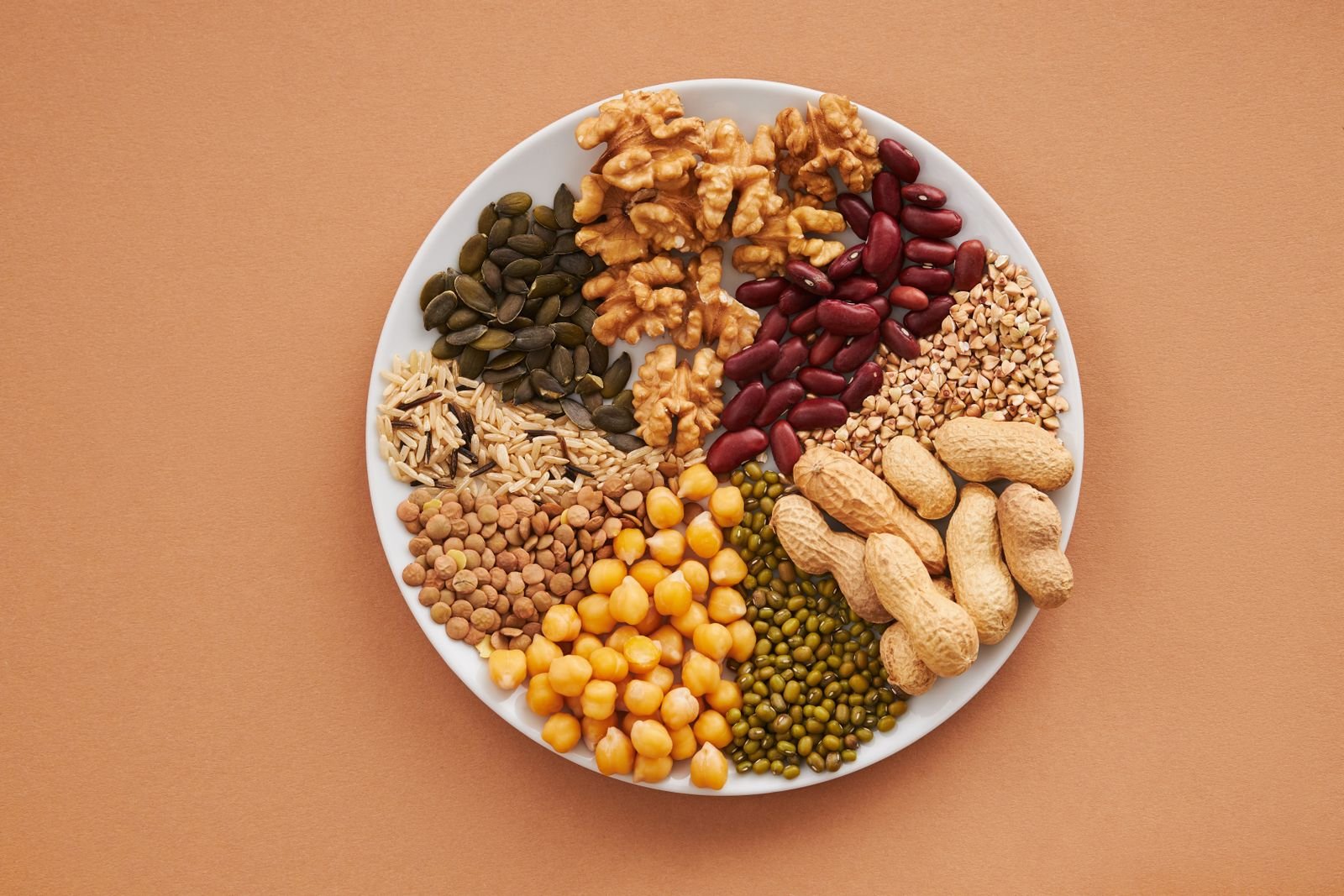
Why vegetarians can fall short: you do not need animal products to get enough protein.[7] The risk comes from eating too little protein overall, or from relying on one or two foods. Individual plant proteins may lack some of the building blocks (amino acids) the body needs. A varied diet of grains, nuts, seeds, and legumes covers them, and the balance over the whole day matters more than any single meal.[2][7] HealthHub suggests about three servings of plant protein a day, for example half a pack of tofu (150 g) or one cup of cooked pulses (120 g).[2]
Plant sources: tofu, tempeh, soy milk, lentils, beans, chickpeas, nuts, seeds, quinoa, wholegrain cereals, and peanut butter.[1][6]
Iron
What it does: iron is used to make haemoglobin, the protein in red blood cells that carries oxygen from the lungs to all parts of the body.[8]
If you fall short: the body draws on its iron stores at first, so a short-term shortfall usually causes no symptoms. When the stores run low, you can develop iron deficiency anaemia, where less oxygen reaches the body. Symptoms include weakness, tiredness, low energy, and problems with concentration and memory.[8]
Why vegetarians can fall short: the body absorbs iron from plants less well than iron from animal foods. The US National Institutes of Health says people who eat no meat, poultry, or seafood need almost twice as much iron as the standard recommendation.[8]
Plant sources: legumes, fortified cereals, quinoa, nuts and seeds, leafy greens, and dried fruit.[1] Eating them with vitamin C-rich foods, such as citrus fruit, strawberries, sweet peppers, tomatoes, or broccoli, helps your body absorb the iron.[8]
Calcium and Vitamin D
What calcium does: it builds and maintains strong bones and teeth. It also supports muscles and nerves.[9]
If you fall short: over time, too little calcium can lead to osteoporosis, a condition where bones become weak and fragile and the risk of falls and fractures rises.[9]
Why vegetarians can fall short: dairy is a main source of calcium. If you eat no milk or dairy, you need to get calcium from other foods.[2][9]
Plant sources: calcium-set tofu, tempeh, leafy greens, okra, calcium-fortified soy, rice, or oat milk, orange juice, and sesame seeds or tahini.[1] Check the label to see that a product is calcium-fortified.
Vitamin D helps your body absorb calcium. Your skin makes vitamin D from sunlight. Very few foods contain it naturally. Egg yolks contain some, so lacto-ovo and ovo-vegetarians have a source. Vegans can look for fortified plant milks (the NIH says soy, almond, and oat milks are often fortified, so check the label) and mushrooms exposed to UV light, which have more.[1][10] Fatty fish and cod liver oil are among the best natural sources, but they are not vegetarian.[10] Too little vitamin D can weaken bones, causing rickets in children and bone pain and muscle weakness in adults.[10]
Vitamin B12
What it does: vitamin B12 helps keep blood cells and nerve cells healthy.[11]
If you fall short: a shortage can cause anaemia, with tiredness and weakness. It can also affect the nerves, causing numbness or tingling in the hands and feet, balance problems, and memory problems.[11] The body stores a large amount of B12, so a shortage can take years to show.[11]
Why vegetarians can fall short: only animal foods naturally contain vitamin B12. Plant foods have none unless they are fortified, which means B12 has been added.[11] Eggs and dairy contain B12, so this is the biggest concern for vegans.[2]
What to do: HealthHub advises that if you eat no eggs or dairy, you should take a daily vitamin B12 supplement or eat B12-fortified foods two to three times a day.[1] The US dietitians’ review says supplements may be the easiest and most reliable way, and that vegans have the lowest B12 levels of any group studied.[4] Ask your doctor or pharmacist which supplement and amount suits you.
Zinc
What it does: zinc supports your immune system, which defends the body against bacteria and viruses. It also helps the body make DNA and proteins, and is needed for growth, wound healing, and a normal sense of taste.[12]
If you fall short: a shortage can cause loss of taste and smell and slower wound healing in older adults. In children it can slow growth and cause diarrhoea. Many of these symptoms have other causes, so a doctor should check them.[12]
Why vegetarians can fall short: beans and grains contain phytates, which reduce how much zinc the body absorbs. The US National Institutes of Health says vegetarians and vegans might benefit from zinc supplements, so ask your doctor or dietitian before taking one.[12]
Plant sources: wholegrains, nuts, and pulses.[2]
Omega-3 Fats
What they do: omega-3 fats are part of the membranes around every cell in your body. One type, DHA, is especially high in the retina of the eye and in the brain.[13]
If you fall short: the US National Institutes of Health says a deficiency can cause rough, scaly skin and an itchy rash, but that it is very rare in the United States.[13] The fact sheet does not discuss vegetarians, so how large the risk is for them is less clear. HealthHub still lists omega-3 fats as a nutrient that can fall short.[1]
Why vegetarians can fall short: the plant omega-3, called ALA, is found mainly in plant oils. The body can turn only very small amounts of ALA into the other two omega-3 fats, EPA and DHA, which come mainly from fish and seafood. Algal oil, which comes from algae, is a vegetarian source of EPA and DHA.[13]
Plant sources of ALA: flaxseed, chia seeds, walnuts, soy foods, and flaxseed, rapeseed, canola, and olive oils.[1]
Vegetarian Food in Singapore: Watch the Oil, Salt, and White Rice
A vegetarian diet does not have to be healthy because it contains no meat. HealthHub’s guide for vegetarians names common pitfalls in how vegetarian food is cooked and eaten here:[2]
- Oil and deep-frying. Many vegetarian cuisines add a lot of fat and deep-fried items. HealthHub advises cooking with less oil and choosing oils lower in saturated fat.[2] For eating out, it says to limit deep-fried food to no more than twice a week and ask for less oil.[14]
- Too many refined carbohydrates. A plate of white rice or noodles with a few vegetables is a common trap. HealthHub suggests swapping in wholegrains, such as brown rice beehoon, wholemeal bread, or wholegrain pasta.[2] At the hawker centre, you can ask for less rice and look for the Healthier Choice logo.[14]
- Too much salt. Cooks often use salt, sodium-containing seasonings, and taste enhancers. HealthHub suggests herbs, spices, and homemade stock for flavour.[2]
- Eating the same foods every day, or relying on processed snacks such as chips and biscuits to feel full. These are signs that a vegetarian diet is not well planned.[1]
Mock meat deserves care for the same reason. The World Cancer Research Fund says plant-based meat alternatives are often highly processed and can be high in saturated fat, sugar, and salt. It suggests eating them less often and choosing minimally processed plant proteins, such as pulses, nuts, seeds, and tofu, more often.[5] The Academy of Nutrition and Dietetics review agrees that some convenience plant-based alternatives may be high in sodium, saturated fat, additives, and preservatives. It adds that these alternatives have not been linked to the same harms as other highly processed foods, such as soft drinks.[4]
If you buy meat alternatives, compare the labels. Choose products with fewer ingredients, less fat, sugar, and salt, and more fibre.[5]
How to Build a Healthy Vegetarian Plate
The Health Promotion Board’s My Healthy Plate is a good guide, and it works for vegetarians too:[1][6]
- Half the plate: fruit and vegetables
- A quarter: wholegrains, such as brown rice or wholemeal bread
- A quarter: protein foods, such as tofu, tempeh, beans, or lentils
More tips from HealthHub:[1][2]
- Eat a variety of foods, not the same few every day.
- Limit processed foods, which tend to be high in fat, sugar, and sodium. Choose fresh produce instead.
- Avoid fad diets that cut out whole food groups. Make gradual changes you can keep up.
Who Needs Extra Care?
HealthHub says vegans, children, teenagers, athletes, and pregnant and breastfeeding mothers need careful planning. Anyone on a vegan diet, or thinking about one, should see a dietitian.[1] HealthHub’s vegetarian guide also says that, depending on your diet, you may need iron and calcium supplements, and advises asking a healthcare professional.[2]
If you have cancer or are having treatment, talk to your cancer care team before you change your diet, so that you still get enough energy, protein, vitamins, and minerals.[5]
See a doctor or dietitian if you feel tired all the time, or if you are not sure you are getting what your body needs.
The Bottom Line
A vegetarian diet can be healthy, and it is linked to a lower risk of heart disease, although most of that evidence is observational. But “meat-free” does not mean “nutrient-complete”. Know which type of vegetarian you are, because the less animal food you eat, the more you need to plan. Plan for protein, iron, calcium and vitamin D, vitamin B12, zinc, and omega-3 fats. Watch the oil, salt, and white rice, go easy on processed alternatives, and eat a wide range of whole foods. If you are unsure, a dietitian can help you plan.
Sources
- HealthHub (Health Promotion Board): Is It Healthier to Go Vegetarian? (last reviewed 25 July 2025)
- HealthHub (Health Promotion Board): A Vegetarian’s Guide to Eating Right (last reviewed 27 June 2025)
- HealthXchange (SingHealth Community Hospitals): Going Vegetarian for Beginners (undated)
- Academy of Nutrition and Dietetics: Position paper on vegetarian dietary patterns for adults (2025)
- World Cancer Research Fund: Vegetarian and Vegan Diets and Cancer
- HealthHub: My Healthy Plate (Health Promotion Board)
- MedlinePlus (US National Library of Medicine): Protein in diet (reviewed 1 April 2025)
- US National Institutes of Health, Office of Dietary Supplements: Iron, Consumer Fact Sheet (updated 17 August 2023)
- US National Institutes of Health, Office of Dietary Supplements: Calcium, Consumer Fact Sheet (updated 14 September 2023)
- US National Institutes of Health, Office of Dietary Supplements: Vitamin D, Consumer Fact Sheet (updated 8 November 2022)
- US National Institutes of Health, Office of Dietary Supplements: Vitamin B12, Consumer Fact Sheet (updated 15 December 2023)
- US National Institutes of Health, Office of Dietary Supplements: Zinc, Consumer Fact Sheet (updated 4 October 2022)
- US National Institutes of Health, Office of Dietary Supplements: Omega-3 Fatty Acids, Consumer Fact Sheet (updated 18 July 2022)
- HealthHub (Health Promotion Board): Healthy Tips at Hawker Centres to Survive the Hawker Paradise (last reviewed 27 June 2025)