
Good health starts with what’s on your plate, but “eat a balanced diet” is easy advice to give and hard to actually act on unless you know what you’re balancing. Here’s what each nutrient group actually does for your body, in plain terms.
Your daily food choices shape your health, and Singapore’s own My Healthy Plate guide is one of the simplest tools for building better meals. Getting the most out of it starts with knowing what’s actually on your plate: the nutrients your body needs to function. Here’s a plain language look at each nutrient group, and how they come together on your plate.
Macronutrients: The Energy Providers
Carbohydrates
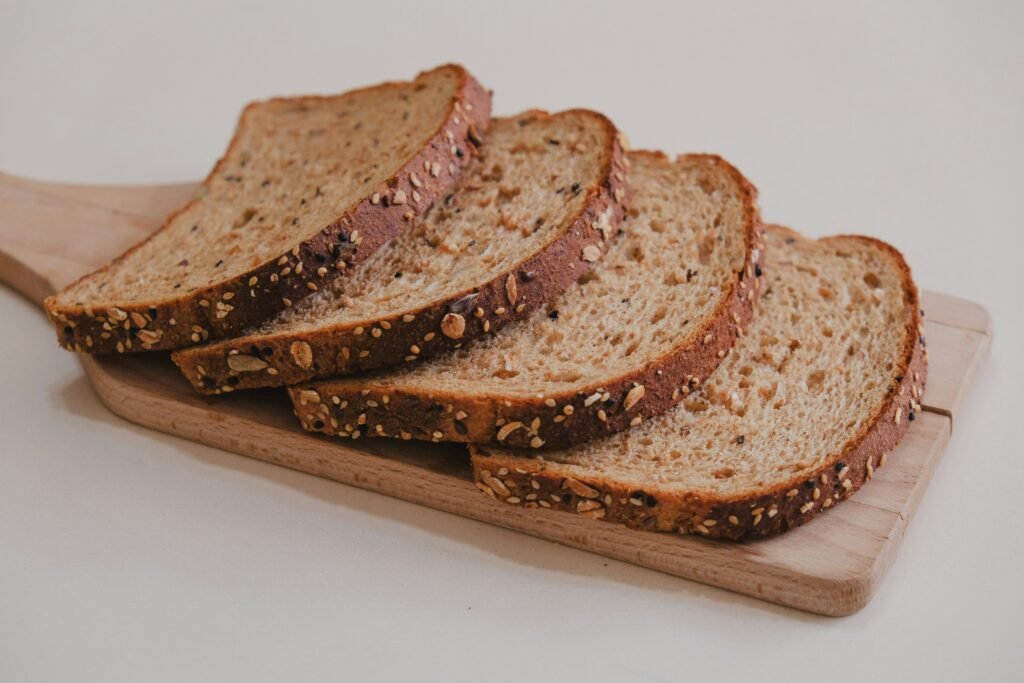
Carbohydrates give your body its primary source of energy. Your body breaks them down into glucose, a type of sugar, which fuels your cells, tissues, and organs. Carbohydrates come in two main forms. Simple carbohydrates, found in fruits and dairy products, provide quick energy. Complex carbohydrates — such as rice, bread, noodles, potatoes, oats, and legumes — offer sustained energy and carry more fibre. Fibre, a type of complex carbohydrate, aids digestion and helps prevent constipation.
Proteins
Proteins drive the growth, repair, and maintenance of your body’s tissues. Amino acids make up proteins, and your body can’t produce some of these essential amino acids on its own, so you need to get them from food. Chicken, fish, eggs, tofu, dairy products, beans, and nuts all supply protein. Getting enough supports muscle health, immune function, and hormone and enzyme production.
Fats
Fats are often misunderstood, but they’re vital for health. They provide long term energy and help your body absorb fat soluble vitamins (A, D, E, and K). They also form a core part of your cell membranes. Fats fall into three broad categories. Unsaturated fats, found in olive oil, avocados, nuts, seeds, and fatty fish, support heart health. Limit saturated fats, found in red meat and dairy products, to moderate amounts. Avoid trans fats, found in many processed foods, since they’re linked to heart disease.
Micronutrients: The Essential Supporters
Vitamins
Vitamins support many bodily functions. Each one plays a specific role:
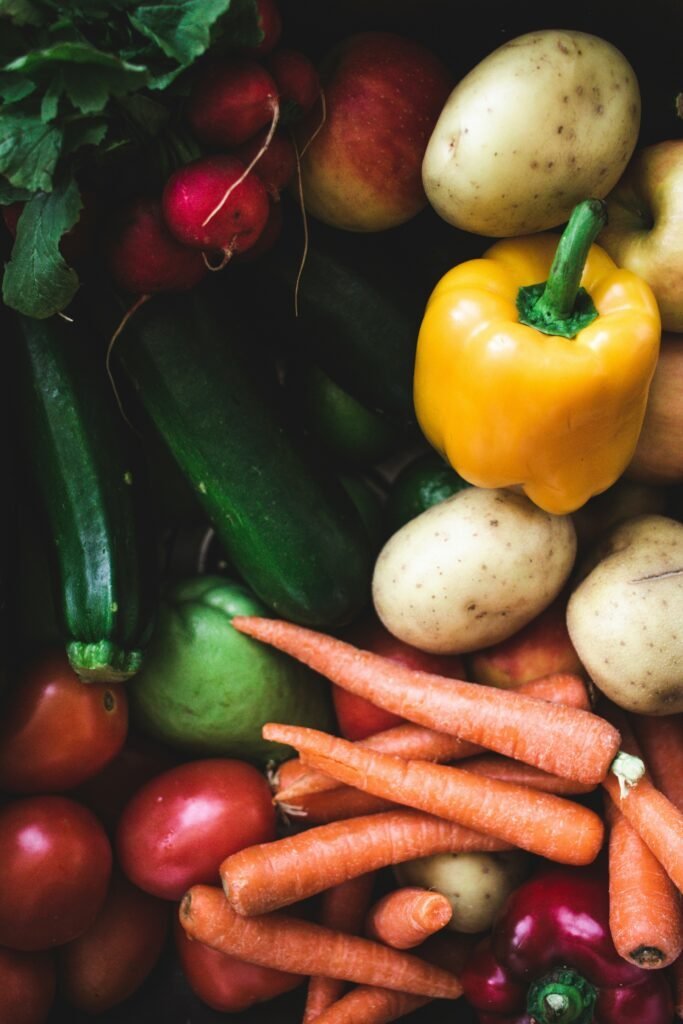
- Vitamin A: Supports vision, immune function, and skin health. Found in carrots, sweet potatoes, and leafy greens.
- B vitamins (e.g. B1, B6, B12, folate): Support energy metabolism, red blood cell production, and nervous system function. Found in wholegrains, meat, eggs, dairy, and leafy greens.
- Vitamin C: Important for the immune system and skin health. Present in citrus fruits, strawberries, and bell peppers.
- Vitamin D: Helps with calcium absorption for bone health. Your body makes it from sunlight, and you can also get it from fortified foods and fatty fish.
- Vitamin E: An antioxidant that helps protect cells from damage. Found in nuts, seeds, and vegetable oils.
- Vitamin K: Essential for blood clotting and bone health. Found in leafy green vegetables, such as spinach and kale. If you take blood-thinning medication such as warfarin, talk to your doctor before changing your vitamin K intake significantly, since it can affect how the medication works.
Minerals
Minerals support many bodily functions too:
- Calcium: Vital for strong bones and teeth, as well as nerve and muscle function. Sources include dairy products, leafy greens, and fortified plant milks.
- Iron: Essential for producing haemoglobin, which carries oxygen in your blood. Get it from red meat, beans, and fortified cereals.
- Magnesium: Supports muscle and nerve function, blood sugar control, and bone health. Found in nuts, seeds, wholegrains, and leafy greens.
- Potassium: Helps maintain fluid balance, nerve function, and muscle contractions. Found in bananas, potatoes, and legumes.
- Sodium: Your body needs small amounts for fluid balance and nerve function. Most people in Singapore get far more than they need, largely through hawker food, sauces, and processed foods. Too much sodium is linked to high blood pressure.
- Zinc: Supports immune function and wound healing. Found in meat, shellfish, beans, and nuts.
Water: The Unsung Hero
Water is easy to overlook, but it’s fundamental to good health. It regulates your body temperature, aids digestion, and carries nutrients while flushing out waste. Singapore’s Health Promotion Board recommends around 6 to 8 glasses a day as a general guideline. Your own needs vary with activity level, climate, and health. If you have a condition such as heart, kidney, or liver failure, check with your doctor first, since your fluid needs may differ.
The Role of Fibre
Fibre isn’t technically a nutrient, but it’s essential for digestive health. It regulates bowel movements, prevents constipation, and may lower your risk of certain chronic diseases. Find it in fruits, vegetables, wholegrains, and legumes.
My Healthy Plate Singapore: Putting It All on One Plate
Knowing what each nutrient does is one thing. Turning that into an actual meal is another, and a simple visual guide helps more than a checklist ever could.
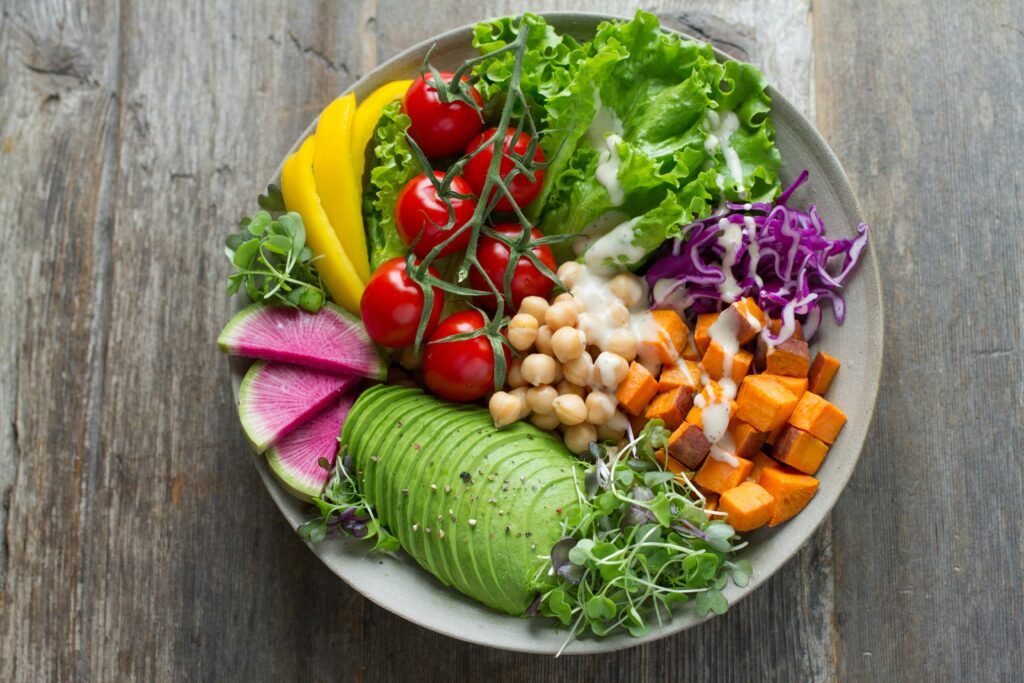
Singapore’s Health Promotion Board designed exactly this: My Healthy Plate, often remembered by the phrase “Quarter, Quarter, Half”:
- Half your plate: fruits and vegetables
- A quarter of your plate: wholegrains (think brown rice, wholemeal bread, oats)
- A quarter of your plate: protein (fish, tofu, lean chicken, beans and nuts, dairy)
- Choose healthier oils, choose water over sugar sweetened drinks, and stay active
It’s a flexible guide rather than a strict rule. Missed the mark at lunch? Make it up at dinner.
Two everyday choices deserve a closer look within this framework. See how fruit juice fits into the fruit and vegetable portion, and what white rice means for your diabetes risk within the wholegrain portion.
Crafting a Balanced Diet with My Healthy Plate Singapore
To get the benefits of these nutrients, build your diet around the My Healthy Plate proportions above. Aim for plenty of fruits and vegetables, wholegrains, lean proteins, and healthy fats. This variety gives you a broad spectrum of nutrients and supports your overall health.
Moderation and variety matter more than strict limits. A balanced diet isn’t about cutting things out. It’s about understanding what each part of your plate does for you, and making informed choices day to day.
Nutritional needs differ by age, activity level, and health conditions. If you have a specific dietary requirement, a chronic condition, or you’re pregnant or breastfeeding, check with a doctor or dietitian on what a balanced diet looks like for you. Treat general guidance like this as a starting point, not a strict rule.
Frequently Asked Questions
How much protein do I actually need?
This varies by body weight, age, and activity level, so no single number fits everyone. As a starting point, include a protein source, such as fish, tofu, eggs, or legumes, at each main meal. This lines up with the My Healthy Plate quarter-plate guide above.
Is fat bad for me?
No. Fat is essential, not something to eliminate. The type matters more than the total amount: choose unsaturated fats (olive oil, avocado, fatty fish) for heart health, and limit trans fats (common in processed foods).
Do I need to take supplements to get enough nutrients?
For most people without a diagnosed deficiency or medical condition, a varied diet following the My Healthy Plate proportions meets your nutritional needs without supplements. If you suspect a deficiency, or have a specific reason to think you need one, such as a restrictive diet, speak with a doctor before starting any supplement.
The Bottom Line on My Healthy Plate Singapore
You don’t need to memorise every vitamin and mineral’s exact function to eat well. The pattern matters more: a mix of wholegrains, protein, fruits and vegetables, and healthy fats, built roughly around the My Healthy Plate Singapore proportions most days. This guide exists so you understand why that pattern works, not so you follow it as a strict checklist.
Sources
- Health Promotion Board: My Healthy Plate
- Council for Third Age: Do You Need to Drink Eight Glasses of Water a Day? (citing HPB recommendation)