
A drink or two feels like a small thing. For blood sugar, though, alcohol works in two stages that pull in opposite directions: an early rise from what’s in the glass, and a later drop that can arrive hours after the last sip. Knowing about both stages matters most for people with diabetes.
About 9.1% of Singapore residents aged 18 to 74 have diabetes, according to the National Population Health Survey 2024. This article covers what alcohol does to blood sugar, what to do if it drops too low, what Singapore guidance says, and what the research on insulin sensitivity does and doesn’t show.
Why Alcohol Can Push Blood Sugar Up
Some drinks raise blood sugar early because of the sugar and carbohydrate they contain. Diabetes UK notes that beers, ales, and ciders contain carbohydrates and will increase blood sugar levels initially. It advises limiting sweet sherries, sweet wines, and liqueurs. Spirits, dry wines, and Prosecco raise blood sugar less.
Mixers matter just as much. Singapore’s HealthHub Diabetes Hub points out that alcoholic drinks are often mixed with soda or fruit juice, which are high in sugar. Diabetes UK advises diet or sugar-free mixers with any spirit.
Two labels can mislead:
- Low-alcohol wines often contain more sugar than standard ones, according to Diabetes UK.
- Alcohol-free beers, ciders, wines, and spirits can still contain some added sugars and carbohydrates that affect blood sugar.
Why Alcohol Can Push Blood Sugar Down, Hours Later
The second stage is easier to miss. Your liver normally releases stored glucose between meals to keep your blood sugar steady. The American Diabetes Association explains that the liver will choose to break down alcohol over maintaining your blood glucose, which can lead to low blood sugar, known as hypoglycaemia. A review of alcohol and glucose metabolism describes how breaking down alcohol reduces the liver’s ability to produce new glucose.
MedlinePlus, from the US National Library of Medicine, adds two important details. The risk of low blood sugar remains for hours after your last drink, and drinking without food greatly increases it. The ADA notes that low blood glucose can result when alcohol is combined with the medicines most often used to treat diabetes, particularly insulin and a group of tablets called sulfonylureas. If you’re not sure whether your medicine is one of them, ask your doctor or pharmacist.
In Singapore, an SGH endocrinologist defines hypoglycaemia as blood sugar below 4 mmol/L (70 mg/dL).
A Low Can Look Like Being Drunk
Many symptoms of hypoglycaemia, including slurred speech, drowsiness, confusion, and difficulty walking, are also symptoms of being drunk. The ADA notes that it can be hard to tell the two apart. That is why MedlinePlus advises people with diabetes to carry visible medical ID when they drink.
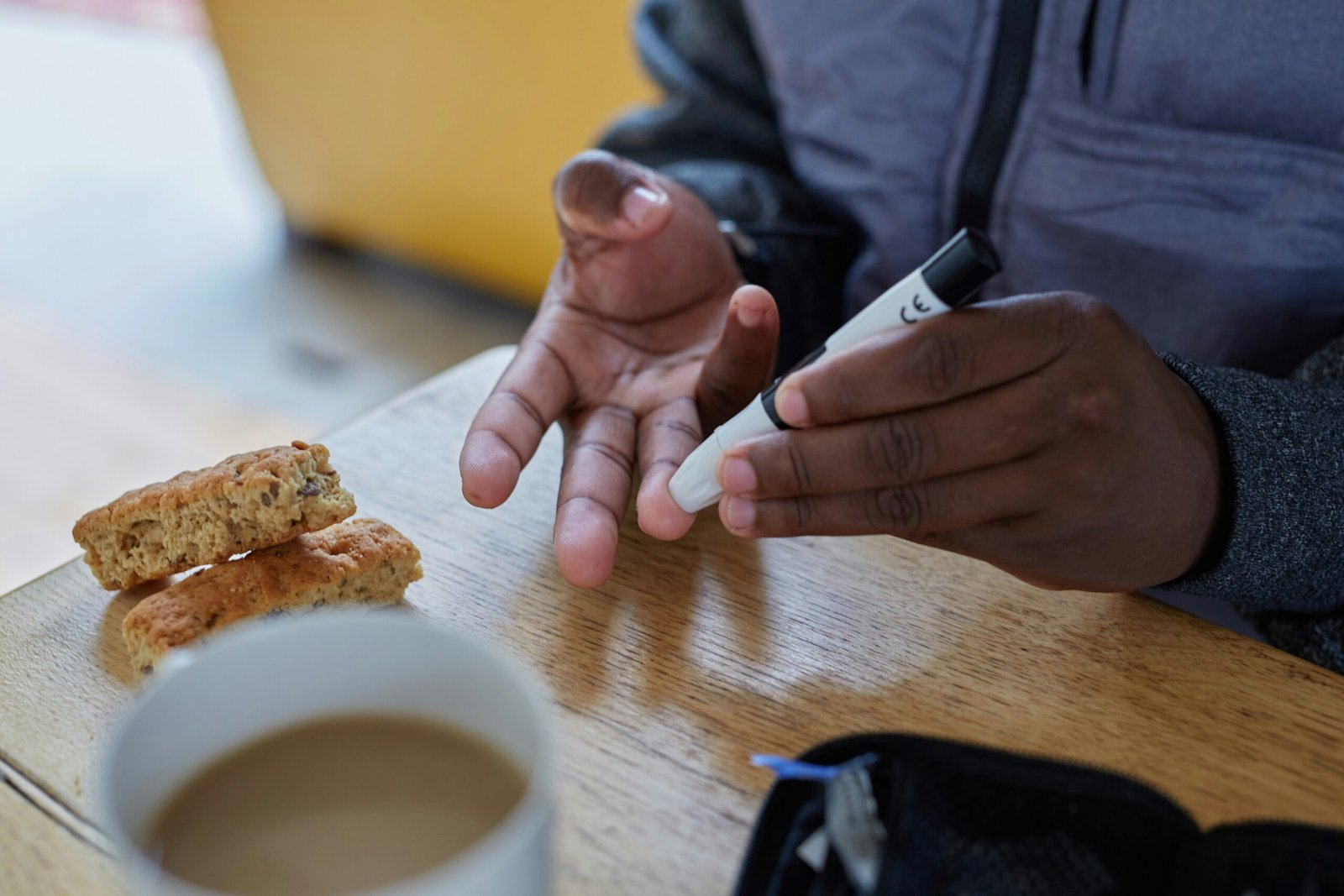
What to Do If You Suspect a Low
SGH’s Department of Endocrinology, writing on HealthXchange, advises confirming a low with a blood sugar check and, if it is low, taking something sugary right away. If you can’t check, an SGH endocrinologist says it is reasonable to assume it is low and eat or drink something sugary. Its list of quick fixes:
- 5 to 6 pieces of hard candy
- About half a glass (100 ml) of fruit juice
- 1 tablespoon of sugar, jelly, or honey
- 3 glucose tablets
Check your blood sugar again 15 to 20 minutes later, and repeat if it hasn’t come up enough.
SGH warns that untreated low blood sugar can lead to seizures, loss of consciousness, and even death. A seizure or loss of consciousness is severe hypoglycaemia, which it describes as a medical emergency. In Singapore, call 995. SCDF lists both seizures and loss of consciousness among the emergencies it responds to.
Alcohol and Diabetes in Singapore: What Local Guidance Says
Local guidance points the same way. On HealthXchange, an SGH senior dietitian explains that alcohol can interfere with your meal plan and blood glucose control, especially if you take insulin or diabetes medication. She advises:
- If your diabetes is not well controlled, try to abstain from alcohol.
- Consult your doctor or dietitian before drinking.
In a December 2024 NUHS+ article, a dietitian at National University Polyclinics advises avoiding alcohol on an empty stomach and limiting it to no more than two standard drinks a day for men and one for women. For reference, one standard drink is a 330 ml can of beer at 5% alcohol, or a 30 ml shot of spirits at 40% alcohol. A HealthXchange guide also advises abstaining if you have nerve damage from diabetes.
Alcohol and Insulin Sensitivity: What the Evidence Shows
Insulin is the hormone that moves sugar out of your blood. Insulin sensitivity is how well your body responds to it. Insulin resistance means it responds poorly.
The picture here is less clear-cut than many articles suggest. HealthHub’s Diabetes Hub notes that alcohol has been linked to increased insulin resistance. The trial evidence is more mixed.
A pooled analysis of 14 trials in adults without diabetes, each lasting at least two weeks, found that moderate alcohol intake did not change estimated insulin sensitivity or fasting blood sugar overall. It did lower HbA1c, a measure of average blood sugar over recent months, and fasting insulin. Among women, fasting insulin fell and insulin sensitivity tended to improve. Among men, it did not. The authors noted that the studies were small and short, and called for longer trials. Observational studies have also linked moderate drinking with a lower risk of type 2 diabetes.
The review of alcohol and glucose metabolism mentioned earlier describes the research results as often discordant. It says alcohol’s contribution to the development or worsening of type 2 diabetes “remains ill-defined.”
None of this is a reason to start drinking or to drink more. The trial participants did not have diabetes, so the results can’t be applied to people who do. Diabetes UK also reminds people with diabetes that alcohol carries other health risks.
Practical Takeaways
- Never drink on an empty stomach. Drink only with food, and drink in moderation, as MedlinePlus advises.
- Know your limit. NUHS advises no more than two standard drinks a day for men and one for women, and your doctor may advise less.
- Watch the mixer. Choose diet or sugar-free mixers with spirits, and dry wine over sweet wine. Avoid liqueurs and sweet cocktails.
- Check the label on “low-alcohol” wines. They often carry more sugar, not less.
- Check your blood glucose if you’re drinking. MedlinePlus suggests checking before you start, while you drink, a few hours afterwards, and for up to the next 24 hours. Make sure your level is safe before you sleep. If you take insulin or diabetes medication, ask your doctor what suits you.
- Keep something sugary with you. An SGH endocrinologist advises carrying at least one sugary item at all times.
- Tell the people you’re with. Carry ID that says you have diabetes, and avoid drinking alone.
- Know when to call 995. A seizure or loss of consciousness is an emergency.
- Skip exercise after drinking, since it increases the risk of low blood sugar.
- Ask your doctor whether alcohol suits you at all. For some people, the answer is no.
Frequently Asked Questions
Is dry wine always safe for blood sugar?
Dry wine raises blood sugar less than beer, ale, cider, or sweet wine, according to Diabetes UK. The later drop still applies, though. It is linked to how the liver handles alcohol, so food and portion size still matter.
I feel dizzy and confused after one drink. Could it be low blood sugar?
Possibly. The symptoms overlap with intoxication. If you have diabetes, check your blood glucose rather than assuming it’s the alcohol, and treat a low straight away, as described above.
Does this only apply if I use insulin?
The ADA singles out insulin and sulfonylureas as the medicines most likely to cause a low when combined with alcohol. MedlinePlus notes that alcohol can cause low or high blood sugar in people with diabetes generally, so speak to your doctor or dietitian about your own situation.
The Bottom Line
Alcohol acts on blood sugar in two stages: a possible rise from the sugar and carbohydrate in the drink, and a possible drop later, when the liver is busy with alcohol instead of releasing glucose. The drop is the stage that’s easiest to miss, so plan for it before the first drink rather than after. The evidence on insulin sensitivity is unsettled, and it is not a reason to drink. For a look at how this plays out at a festive gathering, see our piece on diabetes and Christmas in Singapore. For the bigger dietary picture, see eating right for diabetes prevention.
Sources
- Ministry of Health / Health Promotion Board: National Population Health Survey 2024, infographic
- Diabetes UK: Alcohol and Diabetes
- HealthHub: Diabetes Hub, Avoid Smoking and Drinking
- American Diabetes Association: Alcohol and Diabetes
- Steiner, Crowell, Lang: Impact of Alcohol on Glycemic Control and Insulin Action, Biomolecules (2015)
- MedlinePlus: Diabetes and Alcohol
- HealthXchange: Diabetes, Beware of Low Blood Sugar (Hypoglycaemia)
- SCDF: Emergency Medical Services
- HealthXchange: Diabetes and Alcohol
- NUHS+: Festive Feasting with Diabetes, A Dietitian’s Top Tips (2024)
- HealthXchange: Diabetes and Food, Top Tips on Alcohol, Sugar and More
- Schrieks et al.: The Effect of Alcohol Consumption on Insulin Sensitivity and Glycemic Status, Diabetes Care (2015)