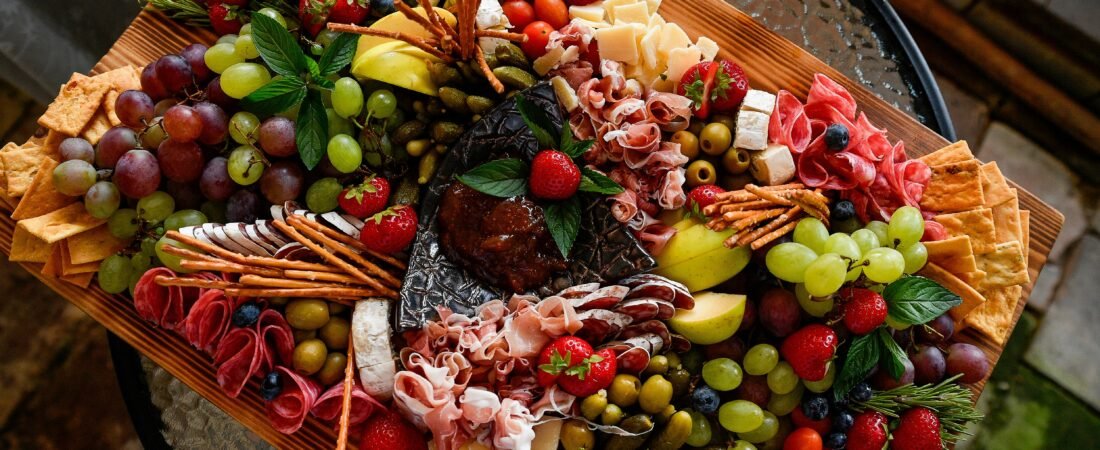
Buffets, log cakes, festive cocktails, and family gatherings that run late into the night, Christmas in Singapore isn’t exactly built with blood sugar in mind. Having a diabetic Christmas in Singapore doesn’t mean sitting the season out. It means knowing which few adjustments actually matter.
Why a Diabetic Christmas in Singapore Is Genuinely Harder
MOH’s National Population Health Survey 2022 found that about 1 in 12 Singapore residents already has diabetes, and managing it well usually depends on routine: regular meal timing, consistent carbohydrate intake, and predictable activity. Christmas disrupts almost all of that at once. Buffet-style meals encourage larger portions than a normal plate would. Gatherings run long, pushing meal times later. Traditional festive foods, log cakes, glazed meats, sweetened drinks, concentrate a lot of sugar and refined carbohydrate into a short window. None of this is really about willpower. It’s about a routine getting disrupted for a few weeks a year.
Smarter Buffet Strategy, Not No Buffet
According to Ms Rachel Cheang, a dietitian at National University Polyclinics, one of the simplest effective tricks is using a smaller plate. It naturally limits portion size while still letting you try what you want. “You don’t have to eat everything just because it is there,” she notes, suggesting you stop once you feel about 70% full rather than fully stuffed.
A few other adjustments she recommends carry a lot of weight for relatively little effort:
- Eat a small snack before the event. A piece of fruit, a slice of wholemeal bread, or a handful of unsalted nuts before you leave the house makes you far less likely to overeat once you arrive.
- Build your plate with structure: fibre-rich vegetables and wholegrains first, lean protein next, and richer items in smaller amounts, rather than piling everything on at once.
- Keep meal timing roughly consistent, about four to five hours apart, even during a packed festive schedule.
- Slow down. It takes your brain roughly 20 minutes to register fullness, so sitting, chewing slowly, and chatting between bites helps you stop at the right point rather than overshooting it.
Small Swaps That Add Up
Beyond portion size, a few specific swaps make a real difference without asking you to skip festive dishes entirely:
- Choose baked nuts or plain crackers over fried wonton strips or crackers for crunch on salads or snack platters.
- Season home-cooked dishes with fresh herbs, spices, garlic, and ginger rather than high-sodium sauces, instant pastes, or stock cubes.
- Pick yoghurt or vinegar-based dressings over creamy ones, and tomato-based sauces work well too.
- Grill, steam, or poach where you can, a whole steamed fish or grilled chicken instead of the deep-fried version.
- Be cautious with “diabetic-friendly” or “no added sugar” labels. These products can still be high in saturated fat, such as palm oil, so the label alone doesn’t make something a safe default.

Drinks and Alcohol: Where the Real Risk Sits
Sugary drinks are one of the fastest ways a festive meal spikes blood sugar, plain water, or unsweetened options like kopi-O kosong or teh-O kosong, remain the safest default. But alcohol deserves its own explanation, because the risk it carries isn’t about sugar content alone.
Your liver normally keeps your blood sugar steady between meals by releasing stored glucose. Alcohol interferes directly with this process. A review of alcohol’s effects on glucose metabolism explains that your liver prioritises breaking down alcohol over its usual job of releasing glucose, which is exactly why drinking on an empty stomach carries a real risk of hypoglycaemia, a blood sugar crash, sometimes hours after the drink itself.
Ms Cheang’s practical guidance reflects this directly: avoid alcohol on an empty stomach, and if you do drink, keep it to no more than two standard drinks a day for men and one for women. For reference, a standard drink is roughly a 330ml can of beer at 5% alcohol, or a 30ml shot of spirits at 40% alcohol, smaller than many festive pours actually are.
If You’re on Insulin or Other Medication
Festive gatherings often mean more time outdoors, more travel between houses, and less predictable access to a fridge, all of which matter if you’re on insulin, since it needs to stay within a specific temperature range to remain effective. A portable insulin cooler case is a simple, inexpensive way to avoid this becoming a problem during a long day of visiting.
If you’re on any glucose-lowering medication, it’s worth confirming your usual dosing and timing plan before the festive period gets busy, and carrying whatever your clinician has advised for a low blood sugar episode, rather than figuring it out mid-event.
Frequently Asked Questions
What if my Christmas Eve or Christmas Day gathering runs really late?
Try not to let the gap between meals stretch too far. If dinner looks like it’ll be delayed, a small protein or fibre snack beforehand helps prevent arriving overly hungry and overeating once food is served.
Can I still have log cake or other festive desserts?
Yes, in a reasonable portion. The practical approach is treating dessert and a sweet drink as an either/or choice in the same sitting, rather than cutting dessert out completely.
Is it rude to turn down extra helpings from family or hosts?
No. Politely explaining you’ve had enough and thanking them for the meal is a perfectly reasonable response, you don’t need to accept more food out of obligation.
Practical Takeaways
- Use a smaller plate, and aim to stop around 70% full rather than fully stuffed.
- Eat something small before you leave the house if there’s likely to be a long gap before the meal itself.
- Make water or an unsweetened drink your default, and treat a sweet drink and dessert as an either/or choice in the same sitting, not both.
- Never drink alcohol on an empty stomach, and keep track of how many standard drinks you’ve actually had, festive pours tend to be generous.
- If you use insulin, plan for temperature and timing before a long day of visiting, not during it.
The Bottom Line
None of this requires sitting out Christmas or explaining yourself at every gathering. The adjustments that actually matter are specific and manageable: a smaller plate, a snack before you’re properly hungry, water as your default drink, and real caution around alcohol on an empty stomach. Get those right, and the rest of the season, the company, the food, the log cake, can stay exactly what it’s supposed to be. For more on how carbohydrates and sugar affect your blood glucose day to day, see our piece on eating right for diabetes prevention, and for a closer look at how a specific carb-heavy staple factors into diabetes risk, see our piece on white rice and diabetes risk.